
Controls
Modes, timers and intensity steps
Three controls sit on the front of a unit like ours. What each one changes, in plain terms, and nothing about where anything goes.
What a mode is
A mode is a stored pattern: how the output rises and falls over time, and how fast the pulses come. Twenty four of them on a unit sounds like a lot until you realize most people find two they prefer and leave the rest alone.
The screen names the active one. Changing mode does not change the level, which is why two patterns at the same number can feel completely unalike. Step the level back down when you switch, then bring it up again.
What the level control does
The output steps rather than sliding, and it steps deliberately: one press, one notch, no jumping ahead. On a dual channel unit each channel has its own steps, so a pair of pads on one channel can sit at a different setting from the pair on the other.
Two habits are worth having. Start every session from the bottom of the range, and step down before you change anything else. Units in this catalog also drop to zero when a lead is unplugged mid-session, so a wire pulled loose does not leave a channel sitting where it was.
The timer
The timer runs the session and shuts the output off at the end of it, which is the whole of its job. Most units count down in fixed blocks, and the display shows minutes remaining rather than minutes elapsed.
Letting it run out on its own is better practice than switching the unit off by hand partway, because a controlled finish ramps down instead of stopping dead. It also saves the battery, since a unit left mid-session does not always sleep.
- Mode: which stored pattern is playing.
- Level: how strong the output is, in steps, per channel.
- Timer: how long the session runs before the output stops.
- Lock, where a unit has one: freezes all three until you release it.
What this page will not tell you
Which mode to pick, what level to use, how long to run, and where a pad goes are all questions about a person rather than about hardware. The booklet in the box covers them, and whoever suggested the device to you is the other half of the answer. We build the box and cut the pads, and that is where our knowledge honestly ends.
Packs this note is about
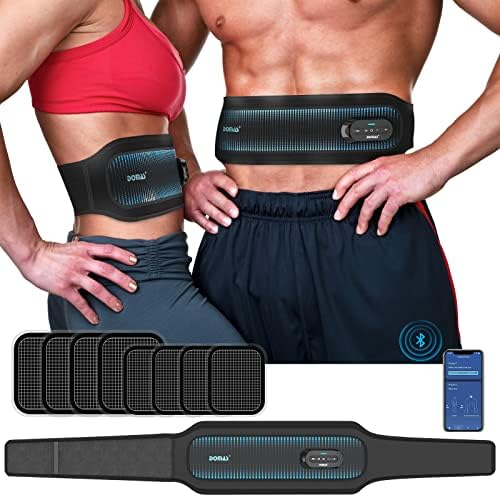
Domas Dual-Channel TENS EMS Ab Stimulator, Muscle Toner
DOMAS units
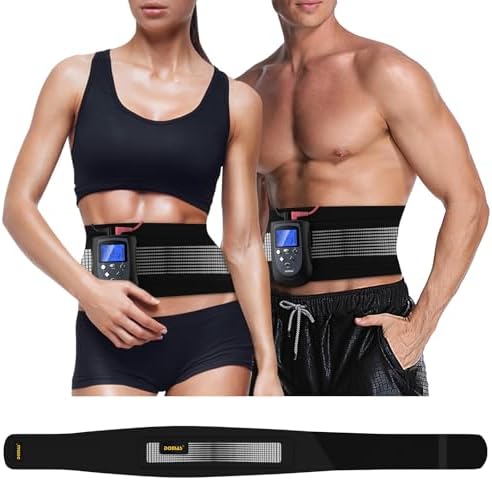
EMS Abdominal Stimulator Belt
DOMAS units
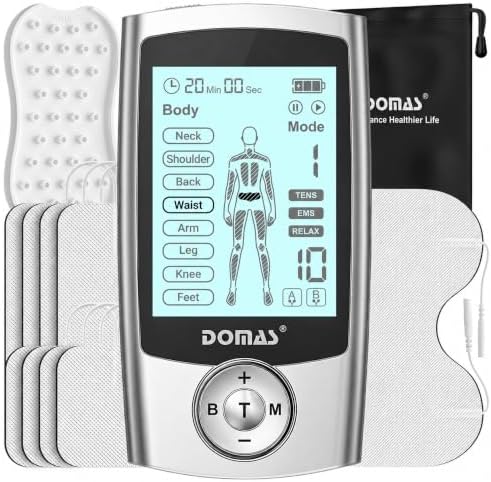
DOMAS TENS Unit for Back Pain Relief with XL Butterfly Pad
DOMAS units, TENS 7000 and other 2 mm pin units
More from the bench
Pin or snap: which connector you have
Every pad on this site joins a wire in one of three ways, and they do not cross over. Two minutes with the wire in your hand settles which packs are yours.
Make a pack of pads last longer
Gel wears out in the drawer more often than it wears out in use. Four habits do almost all of the work.
When a pad stops sticking
Half the packs people give up on still have life in them, and half the ones they keep using are already done. Telling those apart takes a look and a fingertip.